

How to Get Your Dyslexic Kid to Do Their Work: 5 Practical Tips
Re-aired Jul 29, 2026.
About this episode
Especially with younger dyslexic kids who are struggling with reading, getting them to sit down and do their homework or practice reading can be a struggle. As parents, we walk a fine line knowing that they need to do this work, but also knowing that it's challenging. In this episode we give you five specific tips for making this go a little more smoothly!
Transcript
Full transcript · 2,366 words · about 12 min to read. Press a timestamp to jump to that moment.
We all know that our dyslexic kids need lots of practice with reading and writing, but they often don't feel like doing it. How, as parents, can we help our dyslexic kids do the work that we know they need to do?
Hey everyone, we're Nick and Sonja, and this is Dyslexia Journey, where we help you support the dyslexic kid in your life. So in today's topic, we're going to talk about something that often isn't fun, you know, whether it's homework or whether it's reading remediation, exercises specifically, it can often feel like this chore, this grind, maybe for you as well as for your kid. But we want to talk about some tips for how to approach it in a way that hopefully will make it easier for everyone involved.
Yeah, and we're particularly focusing on the kind of elementary school age group today, and so that's kind of like around when most kids with dyslexia are identified as having dyslexia. So we're talking about ages maybe 6 to 12, kind of in that age range. And people definitely can be diagnosed later, but definitely that's like the more common time. And it's also usually the more common time when that work is done on learning to read.
Yeah, so this is like, yeah, when your dyslexic kid is still really struggling with the sort of reading foundations is kind of what we're having. All right, to start out, one kind of foundational point that we want to make is that, especially at this age level of elementary school, ages 6 to 12 or so, when your kid is really struggling with reading and learning how to read and really just new to the whole dyslexia thing and everything, we really encourage you to work with your kid.
It's just going to be much, much more effective, much more fun for the kid, just better all around than trying to get them to study stuff or to struggle through reading like in their room by themselves. Right, so these tips are around, you know, times when you are able to be there with them to help them engage and encourage them. The number one tip, you know, I said right at the beginning, something that might not be so fun, so is make an effort to make it fun.
So what are some ways that you could do that? So if there's a choice of topic, that can be one good way to do it, picking a choice of topic for what they're reading or what they're working on that's something that they enjoy or maybe it's just is fun, like it's a funny story. You know, whatever that is, if you have any leeway around that, that can be a really good thing to take into account and pick very carefully with an eye towards making it fun.
And then also, just overall, even if you can't pick the topic, you can try to keep it light. And just, I mean, it's worth reiterating, just to say it very straight out, like kids are going to be much more engaged with learning how to read if they're interested in the topic or the story that they're trying to learn how to read. Like it seems super obvious when we say it, but too often kids are just assigned stuff from school or from their, you know, teacher who's helping them because they have dyslexia.
They're assigned things that are supposedly like, you know, easy or good to start with, but not necessarily interesting. So if you have any leeway around that, or even sometimes it could be the order, let's say it's particular lessons for a reading remediation program and you have some leeway over the order and one topic interests them more on a particular day. But then digging into, let's say you don't have that choice of topic, you can try to keep the overall mood and atmosphere of what you're doing as light as possible.
So maybe that means making a joke or maybe that means, you know, if it's a story, like sort of speaking a funny character voice, whatever that is, that can also be a good way to keep it more fun. Yeah. And your attitude as a parent too, coming into it, like there's a big difference between like, all right, let's go get this work done now versus like, hey, let's go read this fun story.
Right. With the caveat that, of course, you have to read the room a little, you know, like, of course, if your kid's grumpy, it might make them grumpier if you're too over the top in that way. But it's also true that sometimes we can shift things and change the mood. So realizing that that's possible to do that. All right. Our second tip for getting your dyslexic kid to do the work that they need to do is to be creative about location.
You don't you don't have to do all of your work sitting at a desk. You know, maybe your kid wants to sit in their beanbag chair in the basement. Maybe they want to sit in their hammock outside. Maybe they like having activity going on around them so that they don't so that it feels less like they're off doing some boring thing while everybody else is having fun. Maybe they want to be sort of in the center of the family life still while they're doing their work.
If that's not too distracting. Right. Well, and so that's what I was just going to say is that I think the concern would be, are they distracted? But it's worth trying it because sometimes people I actually used to do my homework watching TV. So I didn't bother me for some reason. I just it worked for me. And I know that would not work for a lot of people. But you don't for sure know until you try it.
Like what's actually going to help them engage and feel like it's a more fun process and what will distract them and what won't. But let's say let's say that like it is too distracting to be out in the hammock or or like it's not quite the right positioning, you know, to be in the being bag chair. You can also let's say it is like more of a desk situation or a table and chair.
You can still work with the location. Like maybe you can have them decorate it with you, like trying to make it as pleasant as possible, as interesting looking as possible, you know, so that they and and to have them engage in it. So they feel like they're making some decisions about it and have some autonomy with the place then by decorating it. Yeah, at the very least, let let them decide what room you're going to work in.
Yeah, that's a really good idea. And so this kind of leads into our tip number three for how you can help your dyslexic kid get the work and the reading done that they need to do, particularly in elementary school. We're talking about here, which is to associate pleasant things with it. So so what we just said applied, like if it was the place and it's like a more fun place or they get to decorate it, then they're going to have more positive associations with it.
But maybe it's some other factors, too. Maybe they have to highlight and you get they get to pick some really fun highlighters that they can use. Or so there could be something else like that associated with what they're doing. You could also do something fun before and after, maybe particularly after so that they have that association as well. And then coming back to your own attitude a bit to trying to have it be as pleasant as possible, because if they're always you think it's pretty obvious if they're always going to associate it with you being nagged.
Or, you know, an argument or something like that, then they're going to have negative associations with it. And that's easier said than done sometimes. But if there's a way that that you can try to keep keep yourself at least neutral and pleasant, that's going to help to keep the associations with it more more positive. All right. Our fourth tip for getting a dyslexic kid to do their work is this is kind of specific to when they're they're learning to read, struggling to read.
In our experience, you know, from what we've been told from from dyslexic kids that when they're learning to read, especially they're really when they're struggling with the actual decoding and stuff, they're not getting much out of that story or they're not really getting much out of the content. And so it's often really frustrating for them because they can't kind of follow the story. And so one like really specific tip here is to break things up and let them like, you know, they can struggle through a page and then you can read the rest of the chapter to them so they can enjoy it.
Yeah. So don't don't get caught in the trap of thinking, oh, then they didn't do enough of the work or really try to just help them get through it, you know, in a way that's as useful as possible, like you said, with understanding the content. And so this also leads into our next tip, tip number five for how you can help your dyslexic kid get the work and the reading done that they need to do is to try to to go ahead and try to make it easier, try to make it as easy as you can.
So one of those ways is that previous tip, which means that if you do some of the reading along with them, that makes less of a load of reading for them. And then another thing would be to assess if there's something that could make it easier, that's more around the conditions in which they're doing the work. Like, is it if they're doing it, if you're trying to have them do it right after school and they really need a break first, you know, it would actually make it easier if they're not overtired or needing a break, for example.
That's a good point. Okay, so our final tip for getting a dyslexic kid to do their work is, this is kind of a broad category and there's several like sub tips that we'll talk about here. And I guess the easiest way to explain this is to start by saying you can't force your kid to do work. Like, like if they are not in the right sort of frame of mind, if they're not engaged, like it's not going to work.
Right. It won't actually be effective, even if they're going through the motions. Right. Right. So how to handle that, though, right? Because that seems like something that could happen a lot. But there are ways. Yeah. I mean, so the first one, sort of similar to what we already mentioned, like let them choose the location. Let them choose the time. I mean, you could have a conversation with them, even young kids, even elementary school age kids can understand like, okay, you know, like we need to get this done at some point today.
Like, do you want to do it, you know, before lunch, after lunch, or, you know, some other time, right? And like, let them pick the time and then commit to it. And maybe even troubleshoot with you a little bit. You know, for example, if you are pretty constrained in time, that doesn't mean you necessarily have to rearrange your entire schedule. But if they feel like they're part of the process, you know, then they're engaged in the process as well.
So all of this is going to engage them in the process. And hopefully that helps them be more willing to do it. Yeah. And if in a given time, let's say a given time, they're just, it's just not working. That's a good time to remember that you can't force them. And I would say in that moment, just let them be. And then at some point later, whether it's later that night, or whether it's even a different day, then come to them and try to work it out with them.
Like, what could help you here? How could we make this more fun? Like, what can we do? So really trying to elicit that cooperation and their own autonomy in a way. It's really, what's good about that is that it's an important skill for them to have later because they're going to need to become more autonomous anyway with it. And so by sort of having this cooperation and eliciting their own opinions and how they're doing it as much as possible, that actually will be building that skill at the same time too.
Yeah, and even if, so if this is just not working at that moment, you could also try a micro break first. Like, sometimes that's enough. Like, okay, let's stop and like, just jump up and down for a while or like, do something else for 10 minutes and then come back and try again. Maybe something silly too, because that could get that lightness back in there. Yeah, exactly.
Yeah, or let's just, you know, pet the dog for a few minutes or whatever. And then come back and see if they can focus a little bit better. And then if they can't, then, yeah, like we said, you can't force it. Right. So hopefully those were helpful tips for you to consider when trying to help and support your dyslexic kid in getting their reading done. If you have any more you want to add below, we'd love to hear them.
Thanks everyone for watching and good luck with the homework and the reading.
More from the show
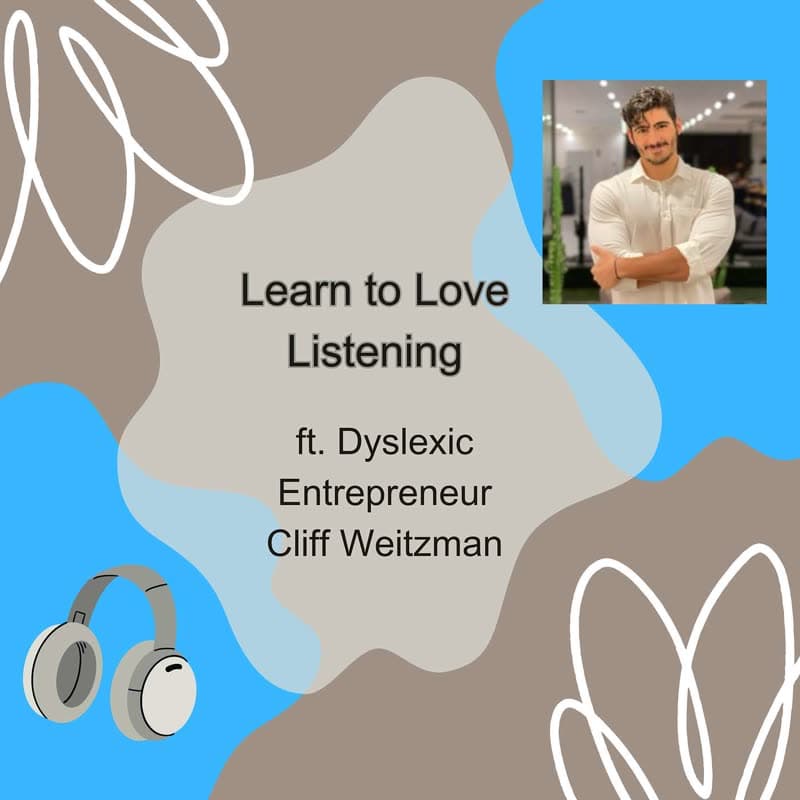
Learn to Love Listening ft. Cliff Weitzman, Dyslexic Founder and CEO of Speechify
In this installment of our Dyslexic Voices series, Cliff Weitzman, founder and CEO of Speechify (https://speechify.com/), tells us about his experiences growing up dyslexic, and shares his advice for how to succeed as a dyslexic child and adult.

Make Real Progress on Big Goals For Your Dyslexic Kid!
We all have goals for our dyslexic kids, but they often seem overwhelming and out of reach. In this episode we provide specific, practical tips for organizing the goals into smaller chunks and making daily progress.

The Attacks On Your Kids’ Rights to a Free Appropriate Public Education ft. Attorney Laura Heneghan
With all the changes in the US recently, it’s hard to keep track of all the implications. In this episode we dig into the changes at the Department of Education, executive orders, lawsuits, and more in order to understand how these changes could directly affect your kids!
Never miss an episode
New episodes every two weeks. Follow wherever you listen.