
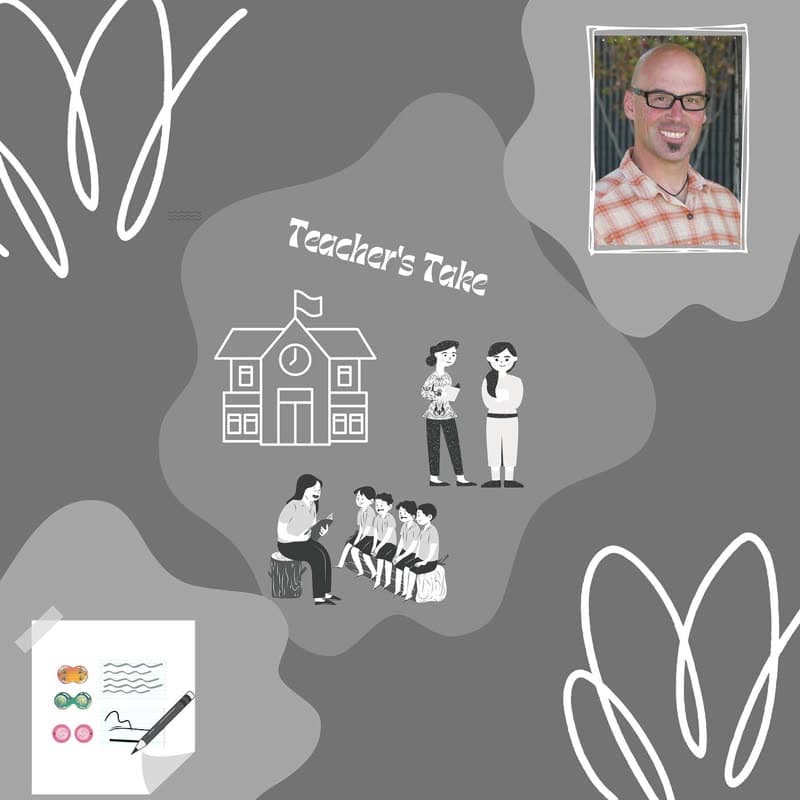
Teaching Outside The Box: A Science Teacher’s Perspective ft. Kevin Nugent
About this episode
Today we talk with middle school science teacher Kevin Nugent about his teaching philosophy and approach to teaching kids with dyslexia and other learning differences.
Kevin Nugent has been part of the teaching team at Friends Middle School, in Boulder, Colorado, since its inaugural class. He believes the role of a middle school teacher is to help the learner explore their passions while preparing them for the academic and social emotional opportunities that lie ahead. He “sees” the learner, not only academically, but as a dynamic, perpetually changing and evolving person.
Kevin graduated from Colorado State University with a Bachelor of Arts in Speech Communication, and completed the Stanley British Primary Teacher Preparation Program, teaching preschool through 8th grade science and other content areas in numerous capacities ever since.
He also worked at the Denver Museum of Nature and Science where he created a professional development program for elementary teachers (funded by the Colorado School of Mines) on the neurologic benefits of integrating movement-based learning to improve classroom outcomes.
He was also a founding member of the Montessori School of Denver middle school program, presented workshops at GESTEM (Girls Exploring Science Technology Engineering and Math), and was the recipient of the Outstanding Teacher Award at the 2016 and 2021 Denver Metro Regional Science Fair (DMRSEF) and also in 2021 at the state level.
And–important to our family– he was our daughter’s science teacher for three years.
Here’s Kevin’s YouTube Channel: https://www.youtube.com/@kevinnugent2461
Transcript
Full transcript · 3,808 words · about 19 min to read. Press a timestamp to jump to that moment.
Teachers are an important partner in the Dyslexia Journey. Today we talk with a middle school science teacher about his teaching philosophy and his approach to teaching kids with dyslexia.
Hey everyone, today on Dyslexia Journey we're so happy to speak with middle school science teacher Kevin Nugent and let me tell you just a little more about him. Kevin Nugent has been part of the teaching team at Friends Middle School in Boulder, Colorado since its inaugural class. He believes the role of a middle school teacher is to help the learner explore their passions while preparing them for the academic and social-emotional opportunities that lie ahead.
He sees the learner not only academically, but as a dynamic, perpetually changing, and evolving person. Kevin graduated from Colorado State University with a Bachelor of Arts in Speech Communication and completed the Stanley British Primary Teacher Preparation Program, teaching preschool through 8th grade science and other content areas in numerous capacities ever since. He also worked at the Denver Museum of Nature and Science, where he created a professional development program for elementary teachers, funded by the Colorado School of Mines, on the neurologic benefits of integrating movement-based learning to improve classroom outcomes.
He was also a founding member of the Montessori School of Denver Middle School program, presented workshops at GSTEM, which is Girls Exploring Science, Technology, Engineering, and Math, and was the recipient of the Outstanding Teacher Award at the 2016 Front Range Regional Science Fair. And important to our family, he was our daughter's science teacher for three years. Welcome, Kevin. Hey, everybody. Thanks for having me. Thanks for joining us, Kevin. So let's jump in.
To start with, you just tell us a little bit about your experience teaching middle school science and specifically what you've noticed about dyslexic kids and kids with other types of learning differences in regards to middle school science. Yeah, I mean, sure. Good question. So with the nice thing about middle school science and the curriculum that we run here at Friends is it's really hands-on, which means it's sort of like it's not a whole lot – it doesn't involve a whole lot of, like, textbooks, things like that.
It's really – it's much more experiential. And so that is advantageous as far as students with learning differences are involved. The challenge runs into the content delivery. And so that's why I use what's called a flipped classroom, which sort of allows – it sort of differentiates itself for the learner. So essentially what a flipped classroom is is when instead of, like, me just standing in front of the class, sort of, like, talking at the students, all of the content is recorded and it's on YouTube.
And the student can just go ahead and watch me deliver the content, which automatically, like I said, differentiates the content. They can stop me. They can rewind me, whatever they need to do. And also it also fits more into a more reasonable schedule because the student can sort of access the content when it's possible for them, rather than just having, say, science just happens from 9 to 10.
Yeah, that makes sense. Should I talk about, like, the Cornell notes and stuff like that? Yeah, actually, because one of the things we really appreciated, you know, when our daughter was in your classes was the various accommodations you gave. I mean, there were things like being able to give verbal answers sometimes in addition to things like, you know, more time and tests and things like that or asking more questions. But I'd love to dig into other things like the Cornell notes because I'm not sure other people have heard about those.
Yeah. So, I mean, the Cornell notes, it's basically like sort of like a mind map approach to content acquisition. And if you imagine like a lined piece of paper, if you just sort of drew a lopsided eye, so you've got a line at the top and then the lopsided portion of the eye and then a line on the bottom. So, to the left of the vertical line are all the main points, and then to the right are all the supporting points.
What I do with those with learning challenges or learning differences is I scaffold it. So, I'll put in the sort of like and, the, because, and just have them recognize the specific content word. Like it might be like mitosis or something like that. And then I invite the student to either write it, but also, I'm also exploring more of like a visual notes approach where if the student can sort of like, if they close their eyes and they imagine, because with, sometimes with learning, with learning differences, words can be somewhat traitorous.
And so, it's, it, that sort of facilitates a really individualized approach. Because if the student maybe sees mitosis as like, you know, like, because mitosis, sorry, mitosis is, is asexual cellular reproduction. So, it's where the cells divide into, into exact copies. Maybe, for instance, a student might not want to write down the word mitosis. But if they close their eyes or whatever, they can visualize, like, maybe like two circles being, coming apart, if that works for them to remember mitosis, that's a great sort of like visual cue.
So, I'm sort of, yeah, like I said, I'm sort of exploring, like, sort of like a visual, a visual, a visual approach to note-taking as well. Yeah, I like that because a lot of, I think a lot of dyslexic kids in particular have strengths in visual spatial areas. And so, that's really, that's really playing to their strengths that way. Yes. Yeah. And then, like I said, like, like I tell, like I tell my students, like, it doesn't need to make sense to me.
Like, if you have, like, some symbol that means something else and it makes sense to you, go for it. Right. And what I like is that it really is still, you know, if you think about the point of notes, part of it, I think, you know, it's not just to get the information down, it's to engage with it. Right? So, I think that you're getting the real essential piece of it. But then the individualization is, I mean, that's only going to help, I think, also, because one's own way of taking notes.
It's the most important for engaging with it anyway. And exactly. I mean, like, and the great thing about sort of like content acquisition, especially in science, is that you are going to come across it at some level all the way, sort of all the way through your academic career, all the way into high school and everything else. And also with the flipped classroom, because we're not spending a lot of time just on lecturing, we're able to leverage that content much more fully and richly.
So, when they come in, we do, like, a lot more labs, projects, things like that. So, it's designed to have, the student really sort of, like, needs to interact specifically with the content to help them accomplish other tasks. And so, it's not like, sort of, like, write it down, close the notebook and call it good. They are actually interacting with that content and applying it as often as possible. Right. Yeah. So, it obviously needs to have, like, sort of, like, a personal connection and meaning to them.
Right. Exactly. And then I think for tests, that probably is obviously useful, too, then, because they have the, you know, the meaning down so individually. But then, still, it's nice to have the accommodation. So, how do you feel like that works out with the tests? I mean, like I said, you always were very accommodating about our daughter being able to ask questions or, you know, do a verbal response, for example. Do you have a lot of others to do that, too?
Yeah. That's a really good question. And it's sort of, like, it's a somewhat complicated answer because, unfortunately, our educational system has sort of, like, certain approaches that, for whatever reason, are somewhat unwielding and unyielding. And so, they're going to need to know how to do, like, a short answer, true, false, fill in the blank. That's just sort of, like, the template that they're going to sort of be exposed to for, like I said, the duration of their academic career.
What I'm, the objective of these visual notes is that if it's personal to them and makes sense to them, they'll be able to sort of learn it and own it and then be able to represent it on the test, like, for, like, for a short answer. I tell my students that if they want to, like, sort of, like, draw me diagrams and illustrate it however they need to, I will, I will, I'll figure it out.
You know, I'm not very artistic myself. A lot of my students are much better than I am. So, if, like I said, if they draw me, like, a picture of mitosis, like, with two cells dividing and things like that, like, I can get that. And it's more important to me, and I'd like to encourage all of the students that have those sort of learning differences. Like, it's, it just matters that you know it and own it and worry about reproducing it a little bit later.
And that's, like, and you can talk to each individual teacher like that. And every teacher I know would be receptive to that. It's, like, it doesn't, you don't have to know it my way. You just have to know it. And let's figure out a way that you could, that you could prove content knowledge to me, whatever that looks like. So, that's, that's what I'm hoping that my students encounter as, as they move on.
Yeah, that's a really refreshing approach to it. I mean, it's, it's, I think, we tend to think of the educational system as being sort of, sometimes sort of stuck in these rigid ways that you have to, to reproduce the exact answer that I have in my answer book or whatever. And, yeah, it's, yeah, it's really refreshing to hear about that approach. And, obviously, we saw it in person when I thought it was in your class.
Yeah. Yeah, and I think also, I mean, like, I, I would be hard-pressed to, to think of any school that would not have some type of academic assistance on some level. And so, like, if, if the student can advocate for themselves and their needs and they can plug into that existing system that already, it's already there for them, that's going to really, really improve their chance for success.
Yeah. So sort of, I guess, a follow-up to that, these types of accommodations that you've talked about, do you find that they're useful for other kids as well, like maybe kids who don't have dyslexia and so on? Yeah, no, I mean, for sure. Like, it also sort of helps kiddos that might have anxiety, that, you know, sort of like the gamut of learning differences. And I think, it's really for whoever, accommodations are for whoever it helps, right? It's not just like, this accommodation is for you and only you, and this accommodation is for you and only you. It's like, if it helps, it should be made available. So, yeah, I mean, so like any student that wants access to that can have it. Great. Yeah. I should preface that, you know, it's like, if y'all just don't feel like taking notes, that's kind of a bummer. Y'all still got to write it, but
if we can justify it together, then we'll talk. Right. And actually, I think that's a really important point, actually, is that accommodations don't mean lowering standards, right? Yeah. Yeah, no, I mean, like, and that's the thing. It's like, everybody should have equal access to the content. So it's like, I sort of see it not really lowering the standards because it's the same. I mean, like when they do the lab, they're still with a lab partner and they're still initiating the content acquisition and application. So it actually, I sort of see it more as a way to empower and, I mean, yeah, I was going to say equalize, but it's not really like education really isn't equal. But yeah, to sort of empower, to empower the people that need it.
Yeah. Yeah. And would you say that it's important to give kids challenging enough material? I mean, I think you would, but tell me a little more about that, like that, how to empower to, you know, it's not just about like achieving maybe just some certain level, but to challenge them as well, right? Yeah. And, and, and that's, I mean, and that's part of what is so amazing about education is that every student sort of walks through the door with, with a long, rich history of experiences and potential and everything else. And I, so I think if you use, if you use the content as a place to start instead of as a final outcome, that is going to, like I said, to, to empower the student to sort of take it in other directions. And, also the confidence, the confidence that comes along with sort of understanding and being able to, to have
access to, to content and knowledge is super empowering. And when you are empowered, you are more likely to take chances. And in science, it's like, it is literally mission critical that you fail. And so, and being able to normalize failure, is a really difficult thing to do for some students. and also really, really necessary if they're going to find sort of like long-term success, if that, if that makes sense. Right. It does. Yeah. And I think what you said about normalizing failure, cause I, I'm remembering now when you're saying that, like how you, how you did talk about that in your classes, but I think that's the key, right? It's maybe to you, you, you normalized it in advance and talked about how it was important, I think, which can be helpful, I think for kids who might struggle with that. So. Okay.
Yeah. I think, I, I really liked what you were saying there because I think with, kids with dyslexia and other learning differences, often the focus is on sort of remedial work with them, like just making sure they spend all their time learning how to read and write. And I think it's, I think, you know, I think we all agree here that it's, it's really important to, to, to give them the same or even more challenging work than, than, you know, whatever they can handle. Right.
yeah. And I think, I think because, I mean, without exception, every, every student with dyslexia that I've worked with has been, driven, motivated, capable. so what I would love to, to have the conversation become and the conversation be focused on is, is less about how to communicate and more about being able to communicate. If that makes sense. Yeah. Yeah, that does. Yeah, definitely. Yeah. so switching gears just a little bit to the practical aspects, because I know, you know, people wonder like how, about how teachers can do it, you know, like it's challenging, right. When you have many students and I don't know, do you have any thoughts just like on how that works for you? I mean, you're a pretty seasoned teacher already, but like how, you know, how to individualize and how to like make that work with accommodations and even the test, any thoughts on that, that might be interesting to hear from your
perspective as a teacher. Sure. I mean, it, it, a flipped classroom specifically just requires a, a, a lot, lot, lot, lot of front loading. but after you sort of put in the time, then you're just kind of making small tweaks along the way. which is nice because, you can, because also every student has the potential to teach you something. And so like, it sort of allows you to kind of like be flexible with, as far as like the way you present what you need to present, along the way. And so like, once that front loading is done, it gives you just an enormous amount of freedom to just sort of tweak things along the way, because you've got a really solid foundation. So all you need to kind of do is like, put this in here, take this out here.
And, and your curriculum is just going to grow, get stronger and expand with the students and, and, and, and the challenges that they bring to you. Yeah, that makes sense. And so you, do you think that this is scalable to, to like a large public school, this approach? Yeah. I mean, I think, I mean, I think it's actually more applicable to, to a large public school because you're going to have, theoretically like a much wider, broader band of, of learners.
And I think that the more you empower the learner, the less, the less sort of like onus and responsibility it takes off the teacher. So like if, if, if the learner knows what, what's the, what they need to do and how they need to do it, then that sort of by, by definition moves the teacher from sort of like a, a sage or a scribe to much more of a collegial role, because the student is already, the student is already sort of doing the things that the teacher, that the teacher needs them to do. And so like the teacher doesn't need to be directly responsible for that. For instance, like when my, when my students walk in after the, after they watch the content on, on, on YouTube, we can just talk about it. I don't, I don't need to teach it because I've taught it to them on YouTube the night before. And so, it, it automatically
enriches our conversations. It, like I said, it allows us to do labs and projects. and actually what I've, what, another really, sort of direction that I've taken is that when the students come in, the first thing they do is sit, they'll be, in different Socratic circles. And so they'll just start to talk about the content and, and where the sort of like the, the student can be also become the teacher because invariably there's going to be, there's going to be students that are just like, oh yeah, I totally get this. And then there's going to be another student. It's just like, I, I, I got nothing. Right. And so like the, so that the students can actually collaborate and sort of elevate each other through their discussion in the Socratic seminar. And then I'll just, from there, I'll just sort of finish up and go, okay, what, what couldn't we figure out together? And then we sort of all work on
it as a class, but very rarely, is there anything that isn't very rarely is there never something that I needed them to learn that they weren't able to learn on their own? If that makes sense. So it was, you know, with the help of my video, if that makes sense. Yeah. No, this, it was actually really interesting to hear. I'm glad I asked you that question because hearing the whole philosophy as a whole, like it was very different. And like, even how, you know, how your role as a teacher is just within it and how then it sort of all flows.
Right. I mean, it's the whole perspective altogether. So that was really useful to hear. It's all, I mean, it's, oh, sorry. No, go ahead. It's also nice because I, I have a hard time just like sort of, because when you're, when you're talking at the students, you're, you're losing them. And so it's nice to be able to sort of like wander around. And it's also a great way. It really has, I found that it's really strengthened my assessment because I can like literally go listen to the students, talk to each other. And I know it, I, it gives me a much clearer view of where each student is as far as understanding. Yeah. That's a really helpful perspective. I think a lot of people are going to be really interested in hearing that. So I think if you, if you had like, if you had like 30 or 35 students being able to sort of free yourself to, to do that, I think
would be very empowering to the teacher. Yeah. Okay. Let's see. Do you have any final words to share with us? Any words of encouragement for any of the families that might be listening?
curiosity over frustration. I, I found that like, especially when I was, when I was starting out, I was just like, because I, I, I had like all these objectives that I wanted to meet. I was just like, I have to do this, you know, like sort of like, sort of like defining yourself, defining yourself by your accomplishments. and when, and invariably, especially in science, something will come along and just destroy that. Right. I mean, like, like you'll, you'll plan like the perfect lesson and you'll come in and like, you know, like 20% of the kids will be sick or, you know, like, a bee will be flying and flying through the, through the classroom. Okay. I was pretty close. so like, if, if you can approach that more as like, wow, okay, hmm, what's going on here? What's, what's, what am I learning from this
situation? Like, like I said, so like, like curiosity, like approach everything like you would want your students to do is like, be curious about what's going on and what you, what you can learn from it. I love that. Yeah. So with those words of wisdom, thank you so much for joining us, Kevin. And we will make sure to put in the, the notes in the description box, your YouTube channel because people can access that, right? Yeah. It's, it's public.
So, yeah. So, I mean, anything you want to learn about, you know, like middle school earth science, life science, and physical science go crazy. Yeah. More than welcome. Great. All right. Thank you again. Yeah. Thanks all.
More from the show
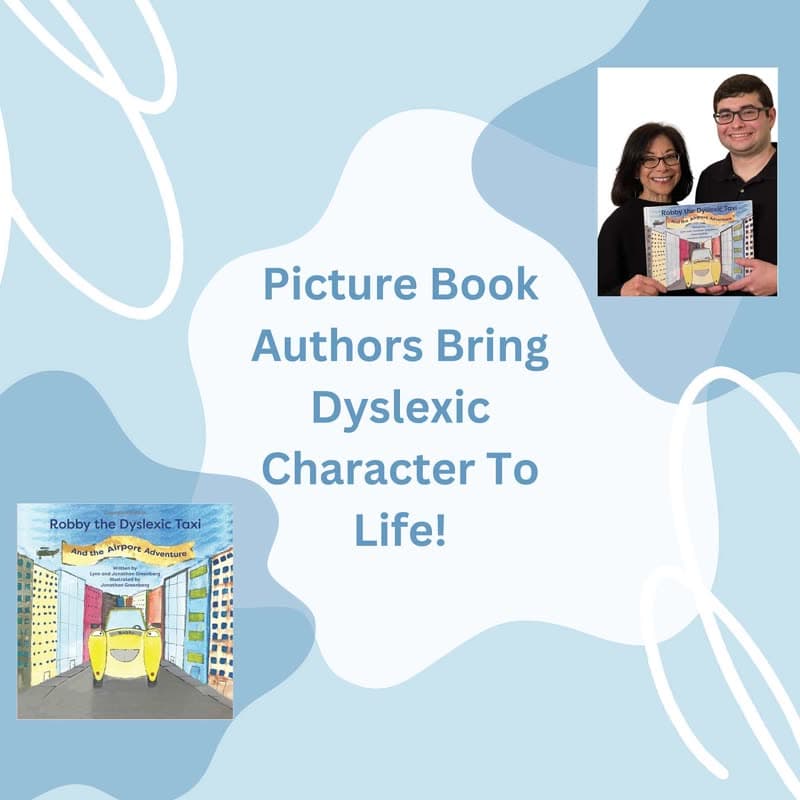
The Importance of Dyslexic Role Models, ft. Picture Book Authors Lynn and Jonathan Greenberg
Lynn and Jonathan Greenberg are the authors of the picture book, “Robby the Dyslexic Taxi And the Airport Adventure”, which is available at https://www.amazon.com/Robby-Dyslexic-Taxi-Airport-Adventure/dp/B0BTZVVX8H/ We are excited to share our interview with them, in which we explore what life was like for Jonathan…
Dyslexia in Everyday Life - Summer Edition!
In part 3 of our popular series on dyslexia in everyday life, we discuss five more ways that dyslexia affects everyday life outside of a school setting.
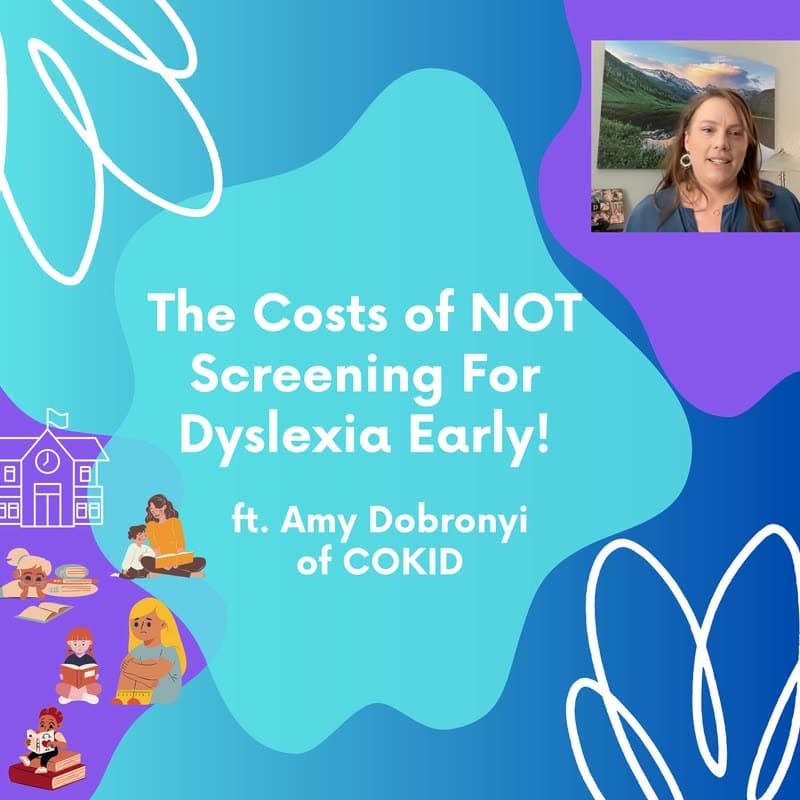
The Importance of Early Dyslexia Identification ft. Amy Dobronyi of COKID
Amy Dobronyi (pronounced duh-BRO-nee) is a Co-founder and Co-chair of COKID (Colorado Kids Identified with Dyslexia - https://www.cokid.org/), a grassroots parent group, whose mission is to improve the lives of individuals with dyslexia through advocacy, education, and legislation.
Never miss an episode
New episodes every two weeks. Follow wherever you listen.